1. Distill the positioning
Before exploring marks, lock three words that describe how the brand should feel and one sentence that explains who it's for. If stakeholders can't agree here, no logo will save the project.
Capture competitors and 'anti-references' early so the team knows what to avoid as clearly as what to chase.
2. Explore directions with intent
Present two or three distinct directions — not ten slight variations. Each direction should argue a different strategic angle: trust, energy, craft, or modernity.
Name the directions. Naming helps clients discuss ideas instead of personal taste.
3. Systemize what ships
A logo alone isn't a brand. Define type pairings, a short color set, spacing rules, and do/don't examples. Keep the first version lean enough that a non-designer can apply it.
Ship a one-pager first, then expand into a fuller guide once the identity is in use.
4. Test in real contexts
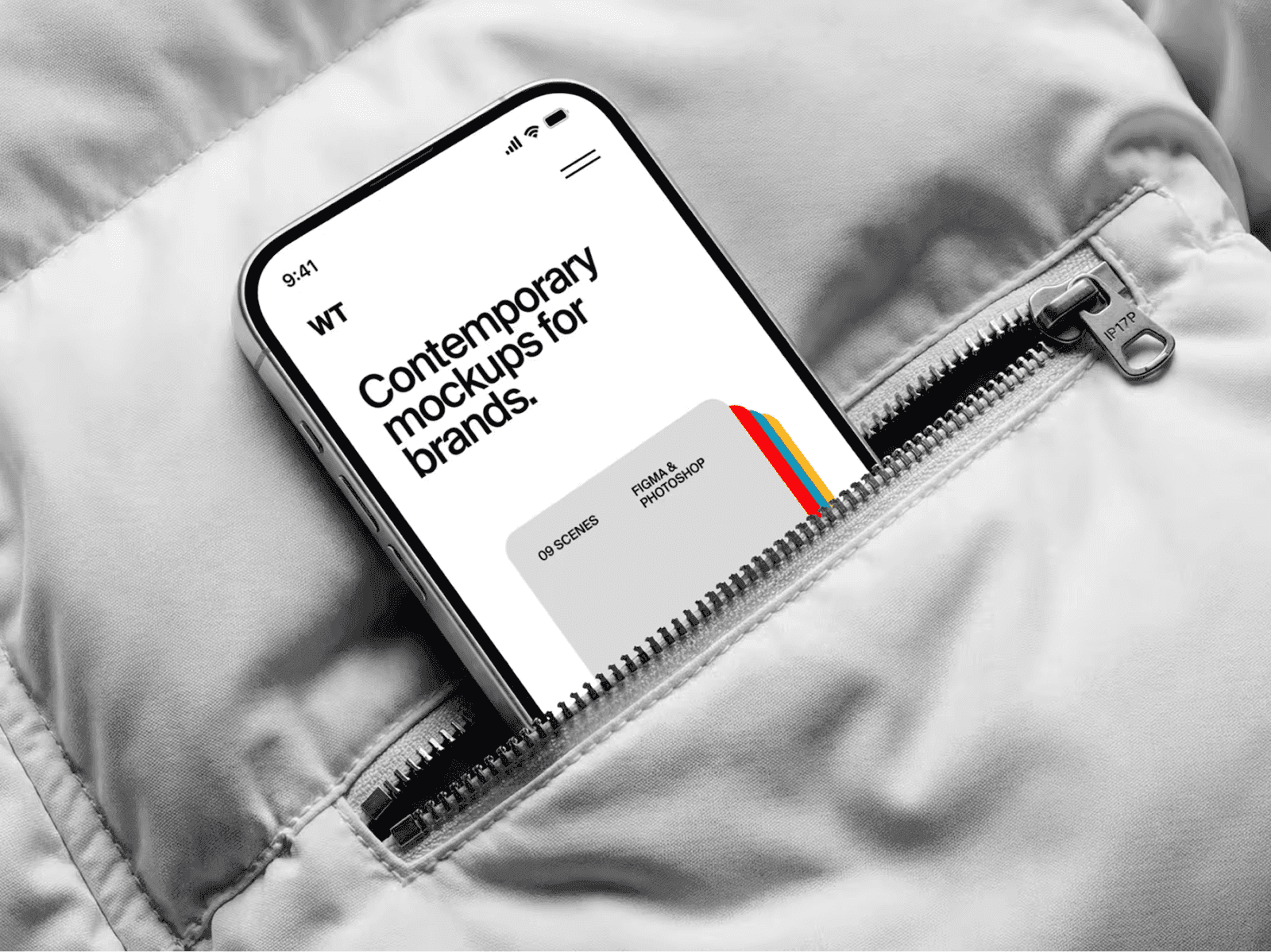
Place the identity on a homepage, invoice, social avatar, and packaging mock before calling it done. Real contexts expose weak contrast and fragile marks faster than a presentation deck.
Duplicate this template article when you want to publish branding process breakdowns.